Interior Painting Preparation Checklist: Get Your Home Ready
A simple homeowner checklist for the week before your painters arrive - what to move, what to cover, and what we handle.
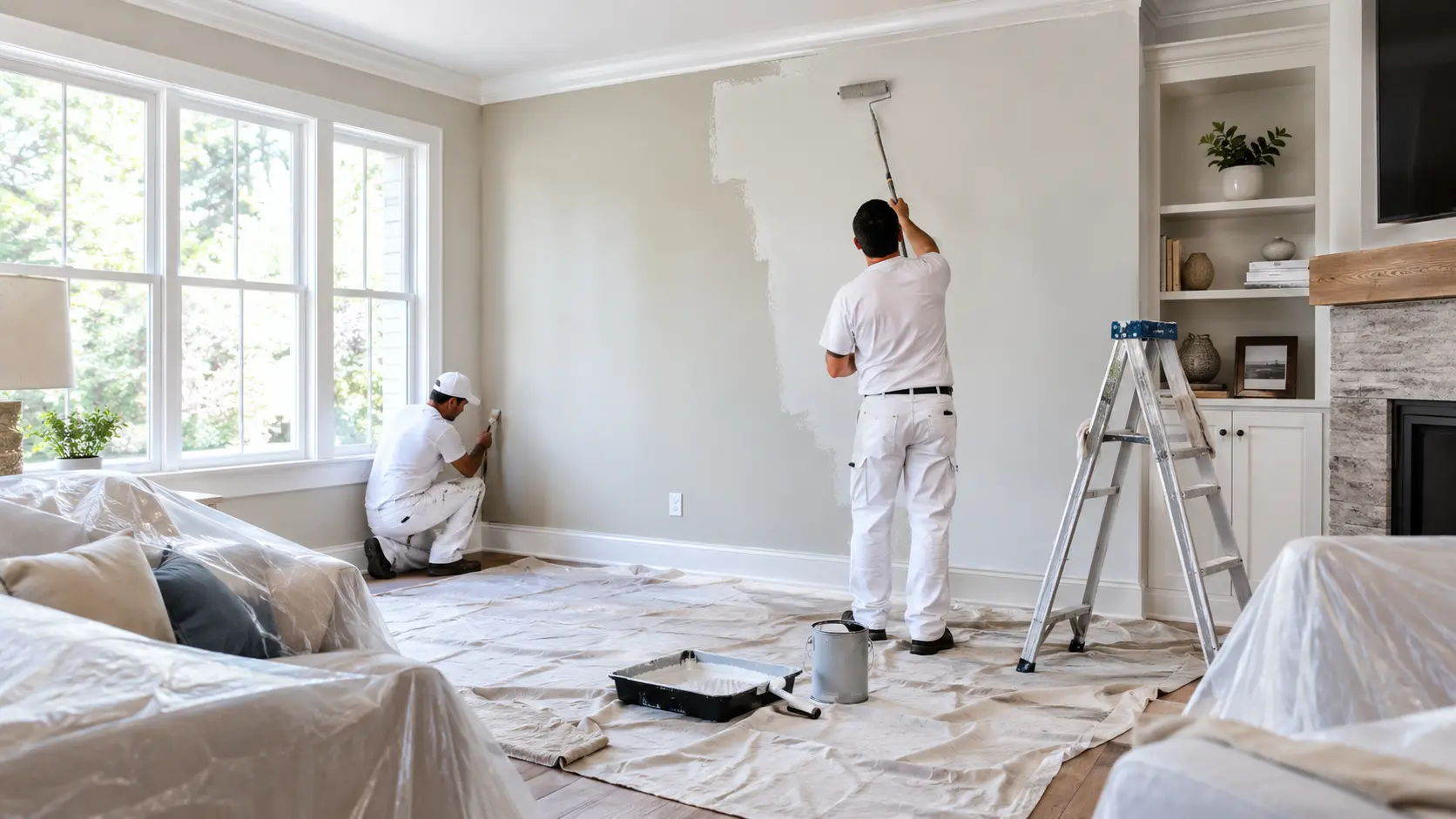
A successful interior painting project starts before the painters arrive. Preparing your home helps protect your belongings, gives the crew room to work, and can reduce delays on painting day. You do not have to do every preparation task yourself your contractor’s estimate should explain what the crew will handle and what you should take care of.
This guide offers a practical interior painting preparation checklist for homeowners in Metro Atlanta. Use it to plan color choices, identify wall concerns, clear work areas, and know what to discuss with your painting contractor.
Why Prepare Before Interior Painting?
Paint adheres best to a clean, dry, stable surface. Dust, grease, loose paint, stains, cracks, and moisture issues can affect the finished appearance and how well the coating performs.
Preparing the rooms also helps protect areas that are not being painted. Moving small belongings, clearing access, and confirming furniture protection can help the project run smoothly.
Professional preparation may include cleaning, sanding, filling small holes, repairing minor surface damage, caulking gaps, and priming where needed. Ask your contractor which steps are included in the scope of your interior painting project.
One Week Before the Painters Arrive
A little planning ahead gives you time to make decisions and flag problems before work begins.
Choose Your Paint Colors and Sheen
Finalize the paint color for each room before the crew arrives. If you are deciding between shades, test samples on the wall or on large sample boards. Check them in natural daylight and under the room’s evening lighting, since colors can look different depending on windows, light bulbs, floors, and nearby finishes.
Choose the sheen as well. Flat and matte finishes reflect less light and can help make minor wall imperfections less noticeable. Eggshell and satin are often chosen for rooms that need easier cleaning, while semi-gloss is commonly used on trim and doors.
For inspiration, see our guide to interior paint colors for Atlanta homes.
Inspect Walls, Ceilings, and Trim
Walk through the rooms included in the project and note anything you want your painter to review:
- Nail holes, dents, or cracks.
- Peeling or loose paint.
- Water stains or discoloration.
- Grease or heavy dirt.
- Damaged drywall, trim, or baseboards.
- Previous patches or uneven texture.
- Signs of moisture or mildew.
Take photos if that helps you remember each concern. Point them out during the estimate or project walkthrough so the contractor can clarify what repairs are included and whether additional work could affect the schedule.
Identify Moisture Problems
Recurring stains, bubbling paint, damp walls, or musty odors may point to a leak, condensation, or another moisture issue. Have the source evaluated and corrected before repainting. A new coat of paint cannot fix an active moisture problem and may peel or stain again.
For more about paint wear and warning signs, read how long interior paint lasts.
Confirm the Project Scope and Schedule
Before work begins, confirm:
- Which rooms and surfaces are included.
- Whether ceilings, closets, doors, and trim will be painted.
- What repairs and preparation are included.
- Who will move or cover large furniture.
- How the crew will access the home.
- Which rooms may be unavailable during the project.
- What cleanup and touch-ups are included.
A written estimate should make these details clear. If you are unsure whether a repair is included, ask before the project starts.
The Day Before Interior Painting
Once colors, scope, and scheduling are confirmed, focus on clearing the work areas.
Remove Wall Decorations
Take down pictures, mirrors, clocks, shelves, curtains, and other wall décor from the rooms being painted. Keep screws and hardware in labeled bags so they are easy to reinstall.
Ask your contractor before removing heavy or wall-mounted items, such as televisions or large mirrors. They may need special handling.
Move Small Furniture and Fragile Items
Move small furniture, lamps, plants, electronics, and breakable decorations out of the work area. Ask your painting contractor what to do with large pieces that cannot easily be moved. Some crews move and cover large furniture; others ask homeowners to arrange this beforehand.
Clear Closets, Cabinets, and Shelves Being Painted
If the project includes closet interiors, built-ins, cabinets, or shelving, remove their contents before work begins. Clearing these spaces gives painters access and helps protect your belongings.
Make a Plan for Pets and Children
Painting involves equipment, open doors, ladders, drop cloths, and wet surfaces. Arrange a safe space away from the work zone for pets. Keep children away from active work areas, and follow your contractor’s instructions about room access.
Do You Need to Clean Walls Before Painting?
Walls should generally be clean and dry before paint is applied. The amount of cleaning required depends on the room and the condition of the surfaces.
Kitchens may need additional cleaning to remove grease or cooking residue. Bathrooms may need attention to soap residue or moisture-related marks. Tell your painter about heavily soiled or stained areas so the right preparation method can be planned.
Avoid using strong cleaning products or aggressive scrubbing unless your contractor recommends it. Some products can damage the existing finish or leave residue.
Do You Need to Repair Walls Before Painting?
Minor surface preparation is common, but the exact work included depends on your estimate. Preparation may involve filling small nail holes, sanding rough patches, caulking paintable gaps, removing loose paint, spot-priming repairs, or patching minor drywall damage.
Tell your contractor about large holes, long cracks, damaged drywall, water stains, or significant texture issues before work begins. Larger repairs may require additional labor, materials, or drying time. Learn more about our drywall repair and preparation services.
The goal is to create a stable, consistent surface—not simply to cover damage with a fresh coat of paint.
What Should You Move Before Painters Arrive?
As a general rule, move items that are small, fragile, valuable, or difficult to clean.
Usually best for homeowners to move:
- Small furniture and rugs.
- Electronics and chargers.
- Plants.
- Fragile or valuable décor.
- Artwork and mirrors.
- Personal items on shelves or countertops.
Discuss with your painter:
- Large furniture.
- Heavy cabinets or appliances.
- Wall-mounted televisions.
- Built-in shelving.
- Large mirrors.
- Items that cannot be safely moved.
Every painting company has different furniture-moving policies. Confirm what is included in your estimate instead of assuming the crew will move every item.
What Professional Painters May Handle
Depending on the agreed scope, professional interior painters may:
- Move and cover larger furniture.
- Protect floors and walkways.
- Mask trim, fixtures, cabinets, and adjoining surfaces.
- Fill small holes and prepare minor imperfections.
- Sand rough areas and caulk paintable gaps.
- Prime repaired or stained areas.
- Apply the selected paint and finish.
- Clean the work area after painting.
Confirm which services are included in writing. Repairs, fixture removal, furniture moving, and cleanup are not automatically part of every painting estimate.
Can You Stay Home During Interior Painting?
In many cases, homeowners can remain in the house while painters work, particularly when the project is completed room by room. Whether that is practical depends on the project size, ventilation, products, household members, and pets.
Before work begins, discuss:
- Which rooms will be painted first.
- Which areas will remain accessible.
- How long each room may be unavailable.
- Ventilation guidance.
- Where children and pets can stay.
- When painted rooms can be used again.
- Product-specific drying and curing instructions.
Follow the paint manufacturer’s instructions and your contractor’s recommendations for ventilation and room access.
Final Walkthrough and Aftercare
Before furniture is moved back, inspect the painted areas in good lighting. Look for consistent coverage, clean lines, missed spots, drips, or paint on surfaces that should not have been painted. Raise concerns promptly so the contractor can review them.
Keep leftover paint sealed and labeled with the room, color, product, and sheen. Follow the product instructions for drying and curing; paint that feels dry to the touch may not be fully cured.
Interior Painting Preparation Checklist
One week before
- Choose colors and sheens.
- Test samples in the actual rooms.
- Inspect walls, ceilings, and trim.
- Report damage, stains, or moisture concerns.
- Confirm repairs and preparation with your painter.
- Review the project scope and schedule.
The day before
- Remove artwork, mirrors, and wall décor.
- Move small furniture and fragile items.
- Clear closets or cabinets included in the project.
- Arrange a safe area for pets and children.
- Confirm access and furniture-moving responsibilities.
During the project
- Keep children and pets away from active work areas.
- Follow ventilation guidance.
- Avoid touching wet paint.
- Keep walkways clear.
- Follow the contractor’s instructions for room access.
After painting
- Inspect the work in good lighting.
- Identify any areas for the crew to review.
- Follow drying and curing instructions.
- Store leftover paint safely and label it.
Common Interior Painting Preparation Mistakes
Painting Over Dirty Walls
Grease, dust, and residue can affect paint adhesion and create an uneven finish. Tell your painter about areas that may need extra cleaning.
Ignoring Cracks or Water Damage
A fresh coat cannot permanently solve a moisture problem or conceal significant wall damage. Identify the cause and discuss repairs before painting.
Choosing Colors at the Last Minute
Late color changes can disrupt scheduling or require different materials. Test options early and confirm final colors before work begins.
Moving Heavy Furniture Without a Plan
Large furniture may be difficult or unsafe to move. Agree in advance on who will move and protect it.
Assuming All Preparation Is Included
Preparation can range from basic protection to extensive repairs. Review your written estimate so you know what the crew will do and what may be quoted separately.
Get Ready for Your Painting Project
Preparing your home does not mean taking over the painter’s job. Make decisions early, clear personal belongings, identify concerns, and communicate your expectations. Your contractor can then complete the preparation included in the project scope and protect your home while work is underway.
Dunwoody Painters provides interior painting services throughout Metro Atlanta, including Dunwoody, Sandy Springs, and nearby communities.
Visit our interior painting services page or contact us for a free painting estimate.
Common questions
Frequently Asked Questions
Related painting articles
More helpful painting guides
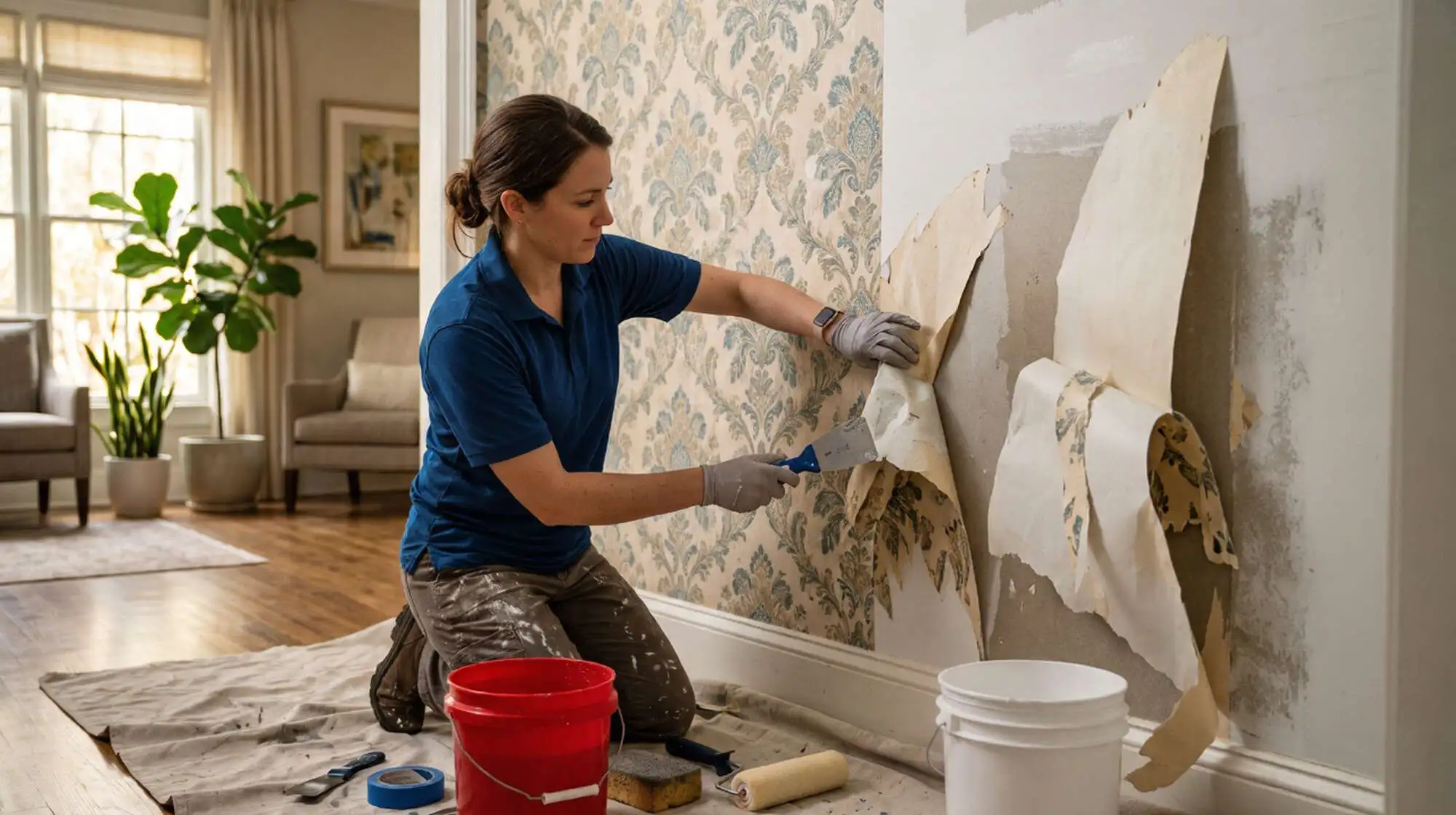
Wallpaper Removal Guide: What Atlanta Homeowners Should Know Before Painting
Learn how Atlanta homeowners can safely remove wallpaper before painting, prepare walls for a smooth finish, avoid common mistakes, and know when professional wallpaper removal is the better option.
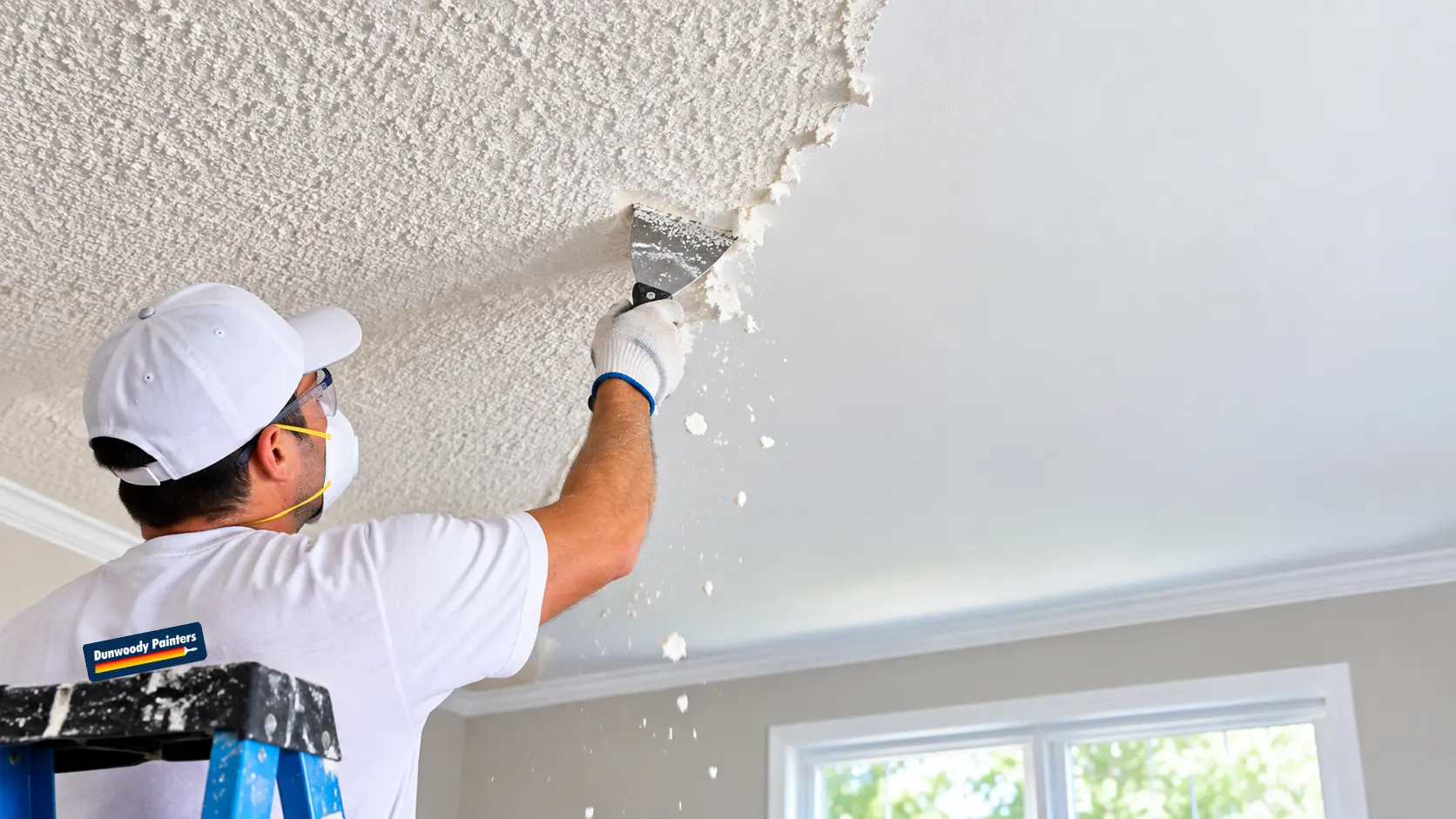
Popcorn Ceiling Removal: What to Expect
Timeline, dust control, asbestos testing, and cost for removing textured ceilings in older Atlanta homes.
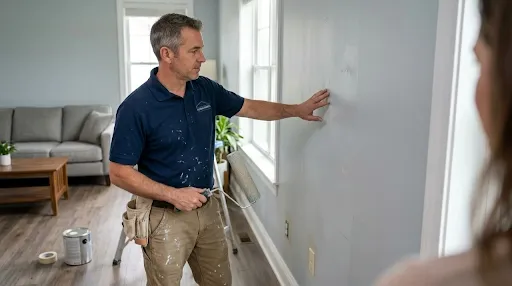
How Long Does Interior Paint Last?
Learn how long interior paint typically lasts, what affects paint durability in different rooms, the signs it is time to repaint, and simple ways to keep painted walls looking their best.