How Long Does Interior Paint Last?
Learn how long interior paint typically lasts, what affects paint durability in different rooms, the signs it is time to repaint, and simple ways to keep painted walls looking their best.
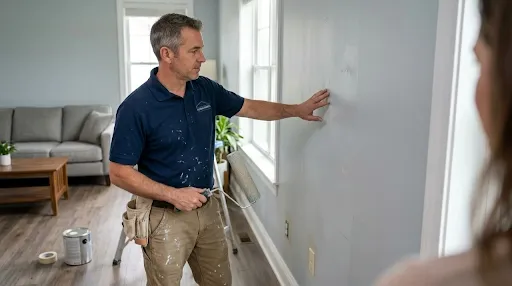
Interior paint typically lasts about 5 to 10 years when it is applied to a properly prepared surface and maintained well. The actual lifespan depends on paint quality, wall preparation, room traffic, moisture, sunlight, cleaning habits, and the condition of the surface beneath the paint.
A lightly used guest bedroom may look good for many years. A busy hallway, kitchen, bathroom, stairway, or child’s room may show scuffs, stains, fading, or wear much sooner.
If you are deciding whether to repaint, do not rely on the age of the paint alone. The condition of the wall and the coating is usually the better guide.
How Long Does Interior Paint Typically Last?
The following ranges can help with early planning:
| Paint type | Typical lifespan |
|---|---|
| Builder-grade flat paint | 2–4 years |
| Mid-range acrylic latex paint | 5–7 years |
| Premium acrylic interior paint | 8–10 years |
These are not guarantees. The same paint can perform very differently depending on the room, surface, application process, and daily use.
For example, paint in a low-traffic guest bedroom may remain in good condition longer than the same product used on a hallway wall that is frequently touched, bumped, cleaned, or exposed to pets, bags, furniture, and everyday activity.
What Determines Interior Paint Lifespan?
Several factors affect how long an interior paint job remains attractive and durable.
1. Surface Preparation
Preparation is one of the most important parts of a successful paint job. Paint applied over dust, grease, loose paint, stains, glossy surfaces, poorly repaired drywall, or unstable caulk may have adhesion problems.
Even an expensive coating cannot correct a surface that has not been properly prepared.
Before painting, walls may need to be:
- Cleaned and degreased.
- Sanded or deglossed.
- Repaired.
- Caulked.
- Spot-primed.
- Allowed to dry completely.
- Protected from dust and debris during the project.
The goal is to create a clean, sound, stable surface so the new coating can bond properly.
For project-planning guidance, read our guide on how to prepare your home for interior painting.
2. Paint Quality
Paint quality affects coverage, stain resistance, washability, and durability. Higher-quality acrylic interior coatings generally offer better performance than basic builder-grade paint, especially in rooms that need frequent cleaning.
However, the most expensive paint is not automatically the best choice for every room.
The paint should match the surface and how the room is used. A durable, washable finish may be more useful in a busy hallway, family room, kitchen, or child’s room than a delicate finish selected only for appearance.
3. Room Traffic
High-traffic rooms typically need repainting sooner. Hallways, stairways, entryways, family rooms, children’s rooms, and mudrooms often experience more contact than guest bedrooms or formal dining rooms.

Over time, everyday activity can create:
- Scuff marks.
- Scratches.
- Dents.
- Fingerprints.
- Dirty areas.
- Burnished spots.
- Worn or uneven paint.
Furniture movement, bags, pets, toys, hands, and routine cleaning can all affect the coating. A room that receives constant use may need attention well before a quieter room painted at the same time.
4. Moisture and Humidity
Moisture can shorten the life of interior paint. Bathrooms and kitchens are especially exposed to steam, humidity, condensation, grease, and occasional splashes.
If moisture remains on or behind painted surfaces, it can contribute to:
- Peeling paint.
- Bubbling.
- Stains.
- Mildew growth.
- Paint failure.
- Poor adhesion.
If paint repeatedly peels or bubbles in the same area, repainting alone may not solve the problem. The source of moisture—such as a plumbing leak, roof issue, condensation, poor ventilation, or failed caulk—should be corrected before the wall is refinished.
5. Sunlight
Direct sunlight can gradually fade some paint colors. Rooms with large south-facing or west-facing windows may receive strong afternoon light, which can make colors appear different over time.
Window coverings can reduce direct exposure, while a suitable interior coating and well-chosen color can help maintain a more consistent appearance.
When repainting a sunny room, test color samples directly on the wall and view them at several times of day. A color that looks balanced in the morning may look much warmer or brighter in late-afternoon sunlight.
6. Paint Sheen
The sheen affects both the appearance of the wall and how well the coating handles cleaning and everyday use.
| Sheen | Best use | Main advantage |
|---|---|---|
| Flat | Ceilings and low-traffic walls | Helps hide surface imperfections |
| Matte | Low- to moderate-traffic rooms | Soft appearance with practical durability |
| Eggshell | Living rooms, bedrooms, hallways | Balanced appearance and washability |
| Satin | Kitchens, bathrooms, busy rooms | More durable and easier to clean |
| Semi-gloss | Trim, doors, kitchens, bathrooms | Highly washable and durable |
The best sheen depends on the desired look, wall condition, and amount of daily use. A painter can help identify the most appropriate finish during an interior painting estimate.
What We See on Real Painting Projects
On real interior painting projects, the age of the paint is not always the reason a wall needs repainting.
Two rooms painted at the same time can look completely different after several years. A hallway may show scuffs, dents, and uneven areas long before a lightly used bedroom needs a full repaint. Kitchens and bathrooms can show early wear from grease, humidity, condensation, and frequent cleaning.
We also see walls that appear acceptable from across the room but reveal issues during a closer inspection. Small nail holes, old patches, uneven texture, paint drips, damaged caulk, stains, and changes in sheen may be easier to notice after fresh paint is applied.
That is why a professional painting process involves more than applying a new color. Cleaning, repairing, sanding, caulking, spot priming, and careful application can make a major difference in the finished appearance.

Peeling or bubbling paint is another common concern. Painting directly over damaged areas may not provide a durable repair. The underlying cause—such as moisture, poor adhesion, incompatible coatings, or an unstable surface—should be addressed first.
A five-year-old wall in excellent condition may still look great. A three-year-old wall exposed to high traffic, repeated cleaning, sunlight, or moisture may already need repair and repainting.
How Long Does Paint Last in Each Room?
Different rooms experience different levels of traffic, moisture, sunlight, and cleaning.
Living Rooms and Dining Rooms
Living rooms and dining rooms usually receive moderate traffic. With quality paint and proper preparation, these walls may remain attractive for approximately 5 to 7 years or longer.
Rooms with children, pets, frequent gatherings, fireplaces, or large windows may need earlier attention.
Bedrooms
Bedrooms generally experience less wall contact than busy common areas. A professionally applied paint job can often last 5 to 8 years, especially in adult bedrooms and guest rooms.
Children’s bedrooms may need repainting sooner because of furniture movement, wall décor, play, scuffs, and frequent color changes.
Kitchens
Kitchen walls are exposed to cooking grease, steam, food splashes, and more frequent cleaning. Depending on the ventilation, paint product, sheen, and household activity, kitchen walls may need repainting in approximately 3 to 5 years.
A washable eggshell or satin finish may be a practical choice for many kitchen walls. If you are also updating cabinets, consider combining wall painting with professional cabinet painting for a more complete kitchen refresh.
Bathrooms
Bathrooms experience regular humidity and condensation. Proper ventilation, an appropriate paint finish, and quick attention to moisture problems can help extend the paint’s life.
Bathrooms may need repainting sooner than bedrooms or living rooms, particularly if the room has poor ventilation or recurring moisture issues.
Hallways and Stairways
Hallways and stairways are among the highest-traffic areas in many homes. Frequent contact with hands, bags, pets, furniture, and everyday movement can create visible wear in approximately 2 to 4 years.
A washable eggshell or satin finish can make routine cleaning easier in these areas.
Ceilings
Ceilings receive less direct contact than walls. If there are no leaks, stains, cracks, smoke damage, or moisture problems, ceiling paint can remain in good condition for 8 to 10 years or more.
If a ceiling has water staining, peeling texture, or drywall damage, address the source and repair the surface before repainting. For older textured ceilings, review our popcorn ceiling removal guide before beginning any scraping or ceiling preparation.
Signs Your Interior Paint Needs Attention
You do not need to repaint only because the wall has reached a certain age. Look instead for visible signs of wear or damage:
- Peeling, cracking, bubbling, or flaking paint.
- Stains that cannot be cleaned.
- Scuffs that remain after gentle cleaning.
- Noticeable fading or color changes.
- Uneven sheen.
- Cracks or recurring drywall repairs.
- Areas where touch-ups are clearly visible.
- Water stains.
- Mold or mildew connected to moisture problems.
- Damaged caulk around trim, windows, or doors.
If you are not sure whether repainting is necessary, inspect the entire wall rather than focusing only on one small damaged spot.
For a room-by-room repainting schedule, read how often you should paint interior walls.
How to Make Interior Paint Last Longer
Simple maintenance habits can extend the useful life of painted walls.
Clean Walls Gently
Dust walls periodically with a soft microfiber cloth. For washable finishes, use mild soap and water instead of abrasive cleaners, harsh chemicals, or rough scrubbing pads.
Aggressive cleaning can burnish the paint, change its sheen, or leave visible marks.
Control Moisture
Use bathroom exhaust fans and kitchen ventilation. Repair plumbing leaks, roof leaks, failed caulk, condensation issues, and other moisture problems as quickly as possible.
Save Leftover Paint
Keep leftover paint in a properly sealed container. Label the container with:
- Room name.
- Paint color.
- Brand.
- Product line.
- Sheen.
- Date used.
This makes small touch-ups easier later.
Repair Small Problems Early
Address nail pops, small cracks, damaged caulk, scratches, and isolated peeling areas before they become larger repairs. Early maintenance can reduce the need for broader wall restoration later.
Choose the Right Finish
Choose paint sheen based on how the room is used. A washable finish is especially useful in hallways, entryways, family rooms, kitchens, bathrooms, and other high-contact areas.
Should You Touch Up or Repaint the Whole Wall?
Small, isolated marks can often be repaired with touch-up paint. Touch-ups tend to work best when you still have the original paint and the wall has not significantly faded or changed in sheen.
Repainting the complete wall from corner to corner often produces a better result when:
- The existing paint has faded.
- The new paint has a different sheen.
- There are multiple damaged areas.
- The original paint is unavailable.
- The repaired area is large.
- Touch-ups remain visible.
- The wall has an uneven appearance overall.
If a large portion of the room needs repair, repainting the entire room may create the most consistent finish.
Does Expensive Paint Last Longer?
Higher-quality paint may offer better coverage, washability, stain resistance, and durability. However, paint quality is only one part of a successful project.
Premium paint applied over dust, grease, loose material, water damage, or poorly repaired drywall can still fail early. On the other hand, a good mid-range product applied to a properly cleaned, repaired, primed, and prepared wall can perform very well.
The best result comes from matching the paint product, sheen, wall condition, room use, and application method.
When Should You Repaint Interior Walls?
There is no universal repainting schedule. How often you should repaint interior walls depends on traffic, moisture, maintenance, paint condition, and how the room is used.
Before scheduling a repaint, consider:
- The age of the current paint.
- The condition of the walls.
- Traffic and daily use.
- Whether the walls can be cleaned effectively.
- Whether the color or sheen has changed.
- Whether moisture or adhesion problems are present.
- Whether the room is being renovated or redecorated.
If the walls still look good, clean easily, and remain well adhered, you may be able to extend the life of the existing finish. If you see peeling, cracking, stains, fading, visible repairs, or persistent scuffs, repainting may be worthwhile even when the paint is only a few years old.
Final Thoughts
Interior paint does not have a fixed expiration date. A properly prepared and professionally applied paint job can look good for many years, but everyday wear, moisture, sunlight, cleaning, and room traffic ultimately affect how long the finish remains attractive.
Instead of judging paint only by age, inspect the walls for scuffs, fading, stains, peeling, cracks, moisture damage, and uneven sheen.
If your walls are showing these signs—or you are planning a larger update—professional interior painting services can help determine whether you need touch-ups, repairs, or a complete repaint.
Dunwoody Painters provides interior painting for homes throughout Metro Atlanta, including Dunwoody, Sandy Springs, Atlanta, Brookhaven, and nearby communities. Contact us to schedule a free painting estimate and discuss your project.
Common questions
Frequently Asked Questions
Related painting articles
More helpful painting guides
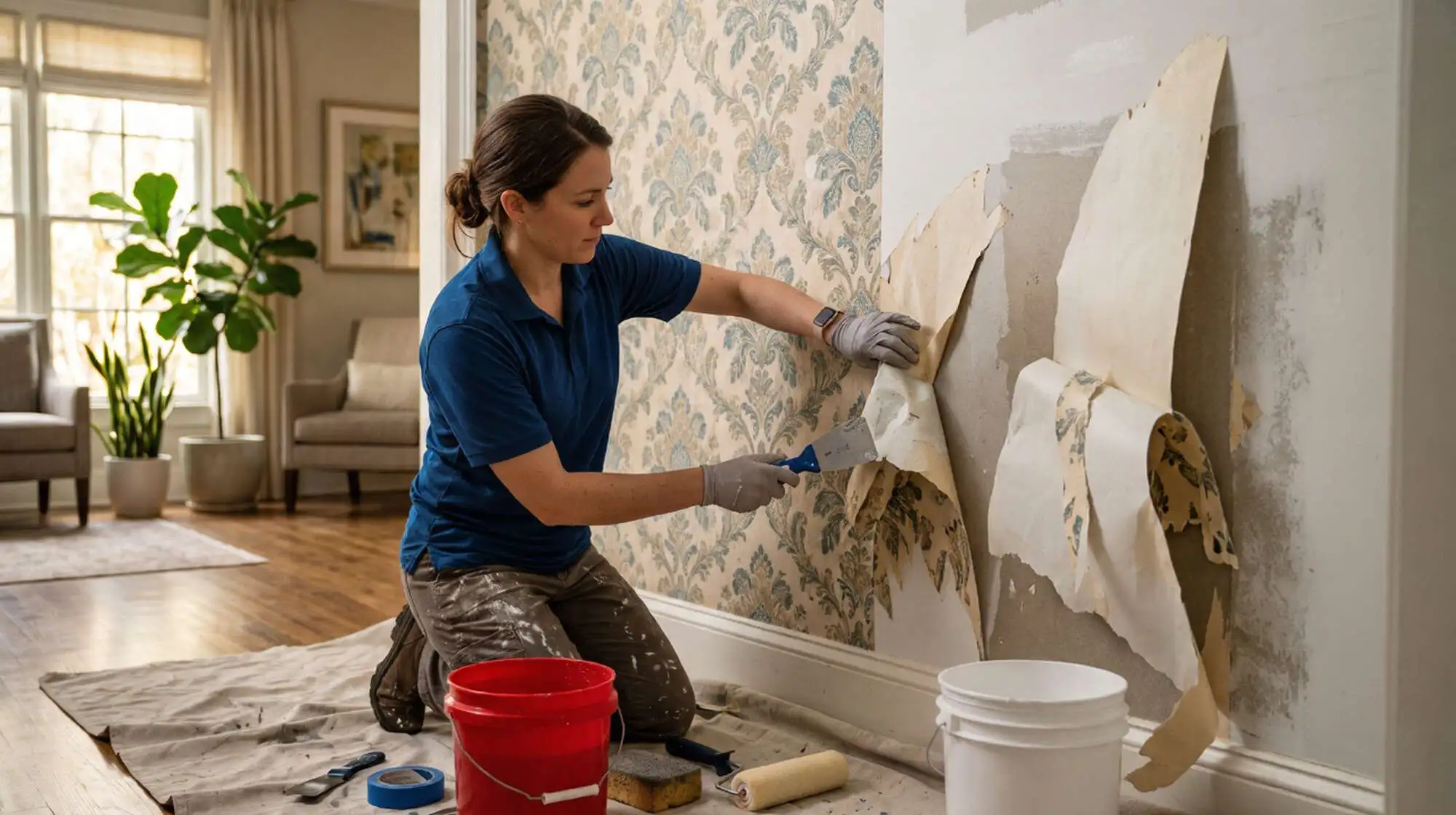
Wallpaper Removal Guide: What Atlanta Homeowners Should Know Before Painting
Learn how Atlanta homeowners can safely remove wallpaper before painting, prepare walls for a smooth finish, avoid common mistakes, and know when professional wallpaper removal is the better option.
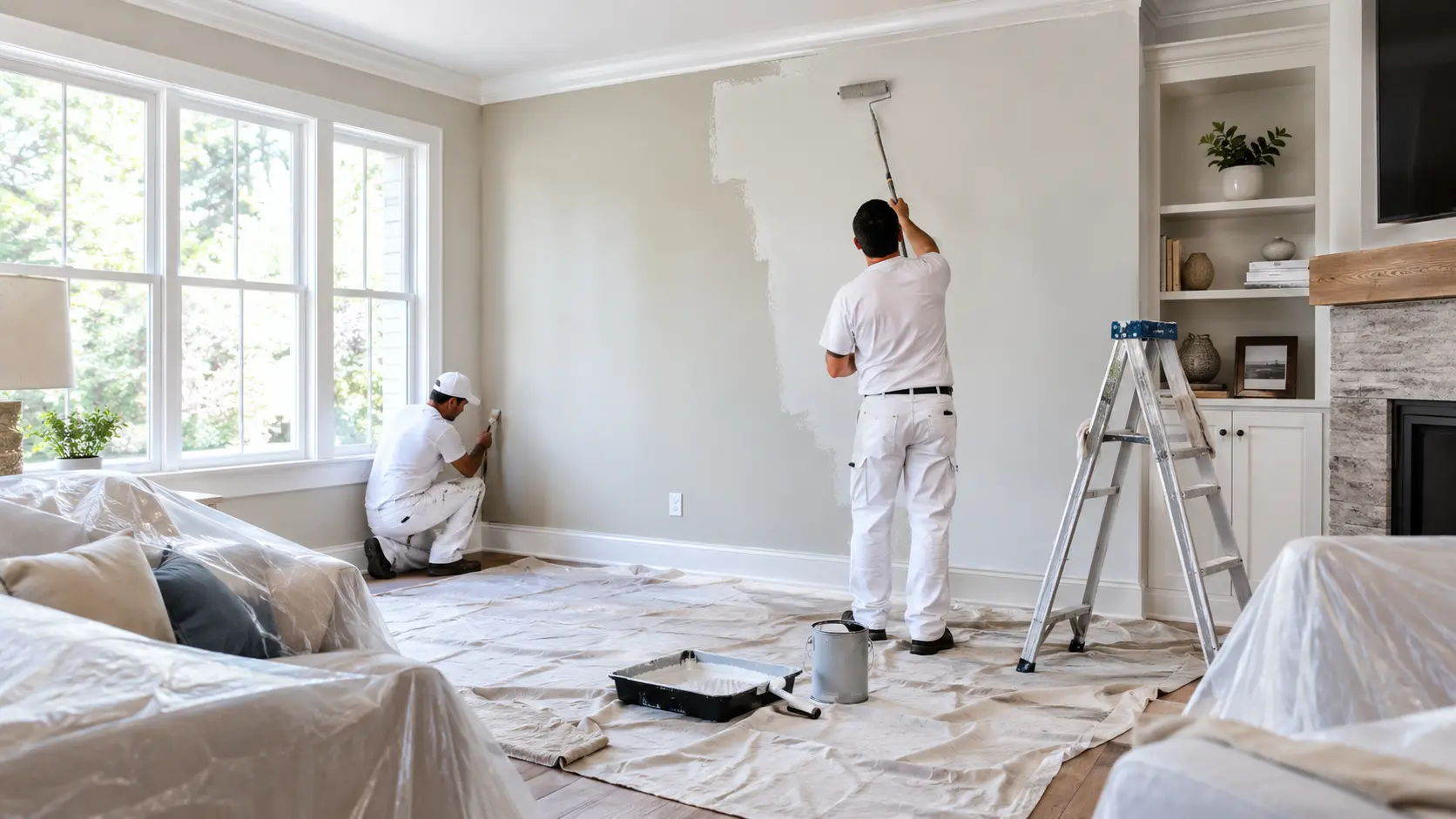
Interior Painting Preparation Checklist: Get Your Home Ready
A simple homeowner checklist for the week before your painters arrive - what to move, what to cover, and what we handle.
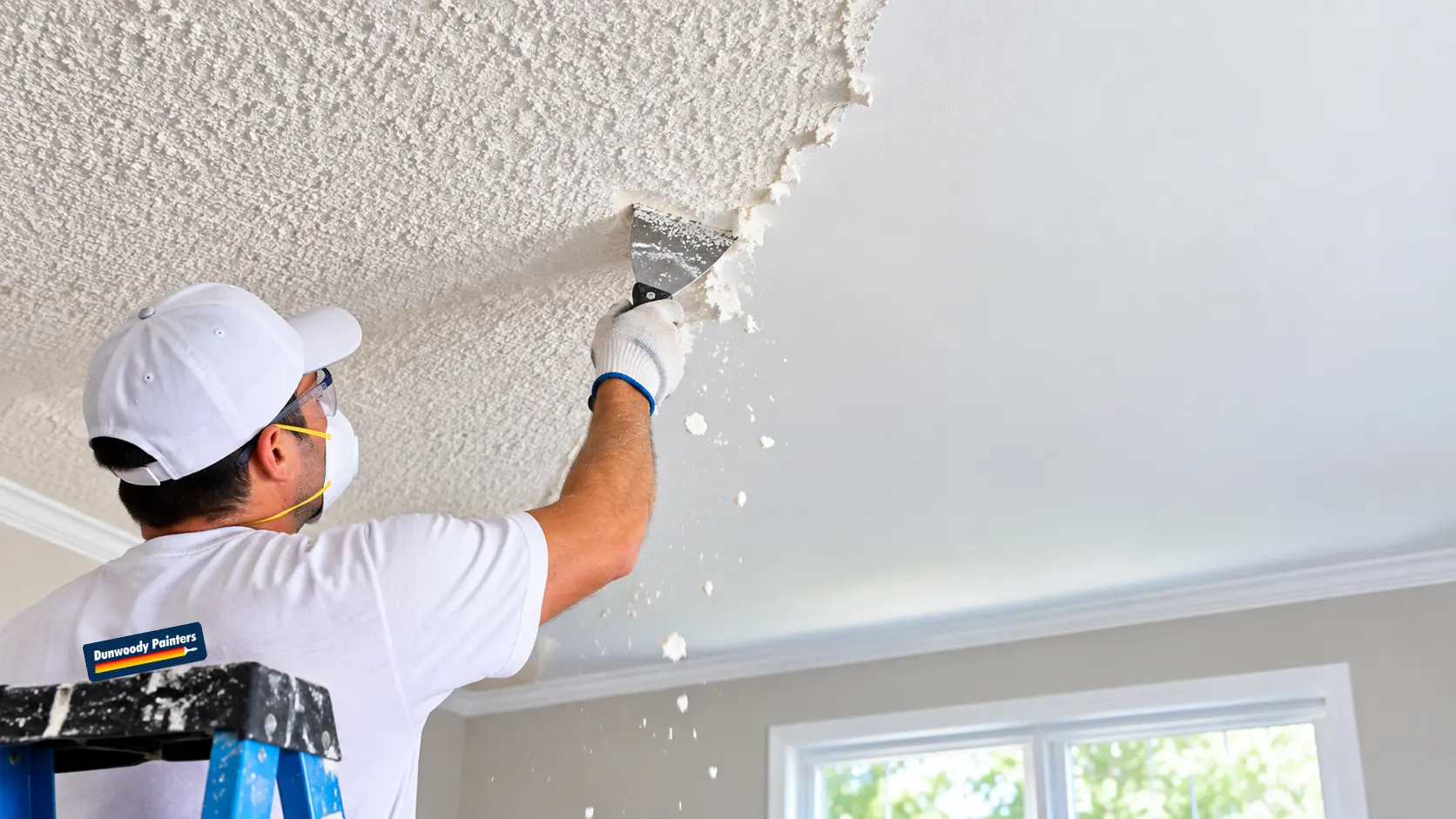
Popcorn Ceiling Removal: What to Expect
Timeline, dust control, asbestos testing, and cost for removing textured ceilings in older Atlanta homes.